Most families start thinking about falls after the first one. You don’t have to wait for that. A lot of what makes a home safer is cheap, quick and unexciting: a night light, a strip of non-slip tape, a rug that moves somewhere else.
Here’s a way to go through your parent’s home with them, room by room, in an afternoon, along with what else lowers the risk and what to do if a fall happens anyway.
Why it’s worth an afternoon
More than one in four people age 65 or older fall each year, according to the National Institute on Aging, and the risk rises with age. A broken bone can be the start of more serious health problems, and falls are a common reason older adults end up in the emergency room or the hospital.
Many falls can be prevented, though. There’s another side to it too: many older adults fear falling so much that they avoid walking, shopping or seeing people, and the NIA says staying active actually helps prevent falls. So the goal isn’t to keep your parent still. It’s to make it easier for them to keep moving.
Do it with them, not around them
This is your parent’s home, and it’s full of choices they made on purpose. Walk through it together and ask before you move anything. Ask them to show you the awkward places: the step that feels uneven, the spot where they reach for something to hold. They know where the problems are better than any list does.
The room-by-room check
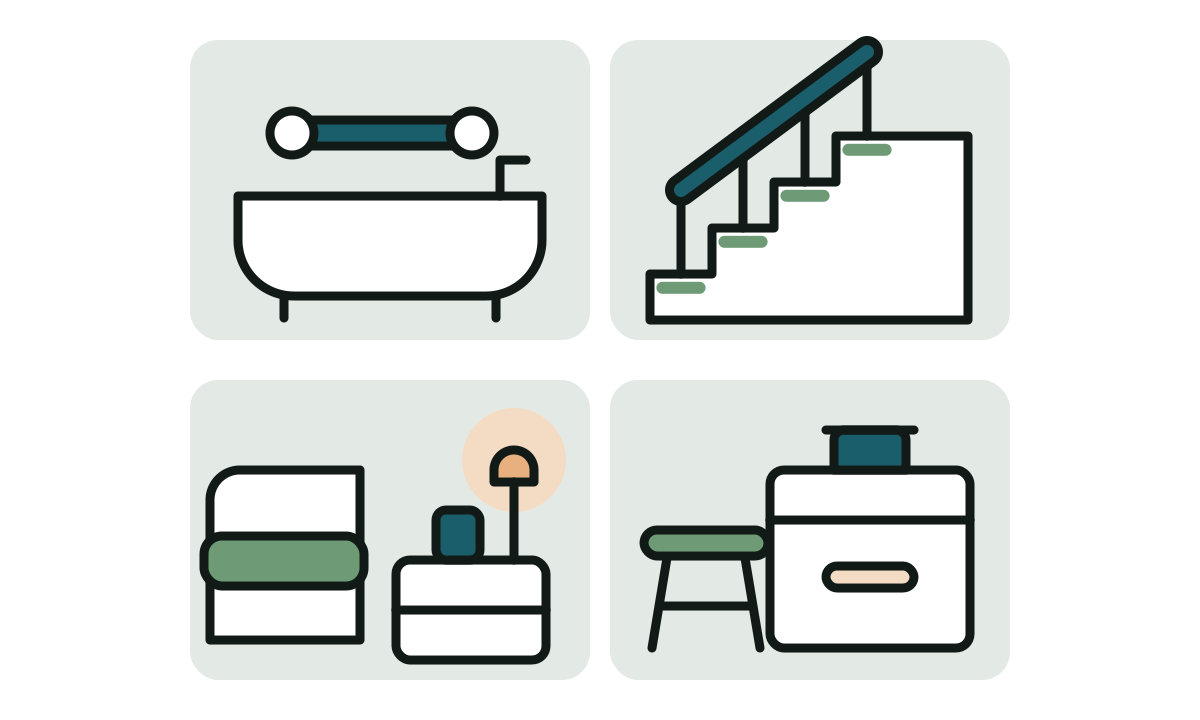
Take this list with you. It comes from the NIA’s Preventing Falls at Home: Room by Room. Not everything will apply, and three changes that get done are worth more than a perfect list that doesn’t.
Room by room
Stairs, halls and floors
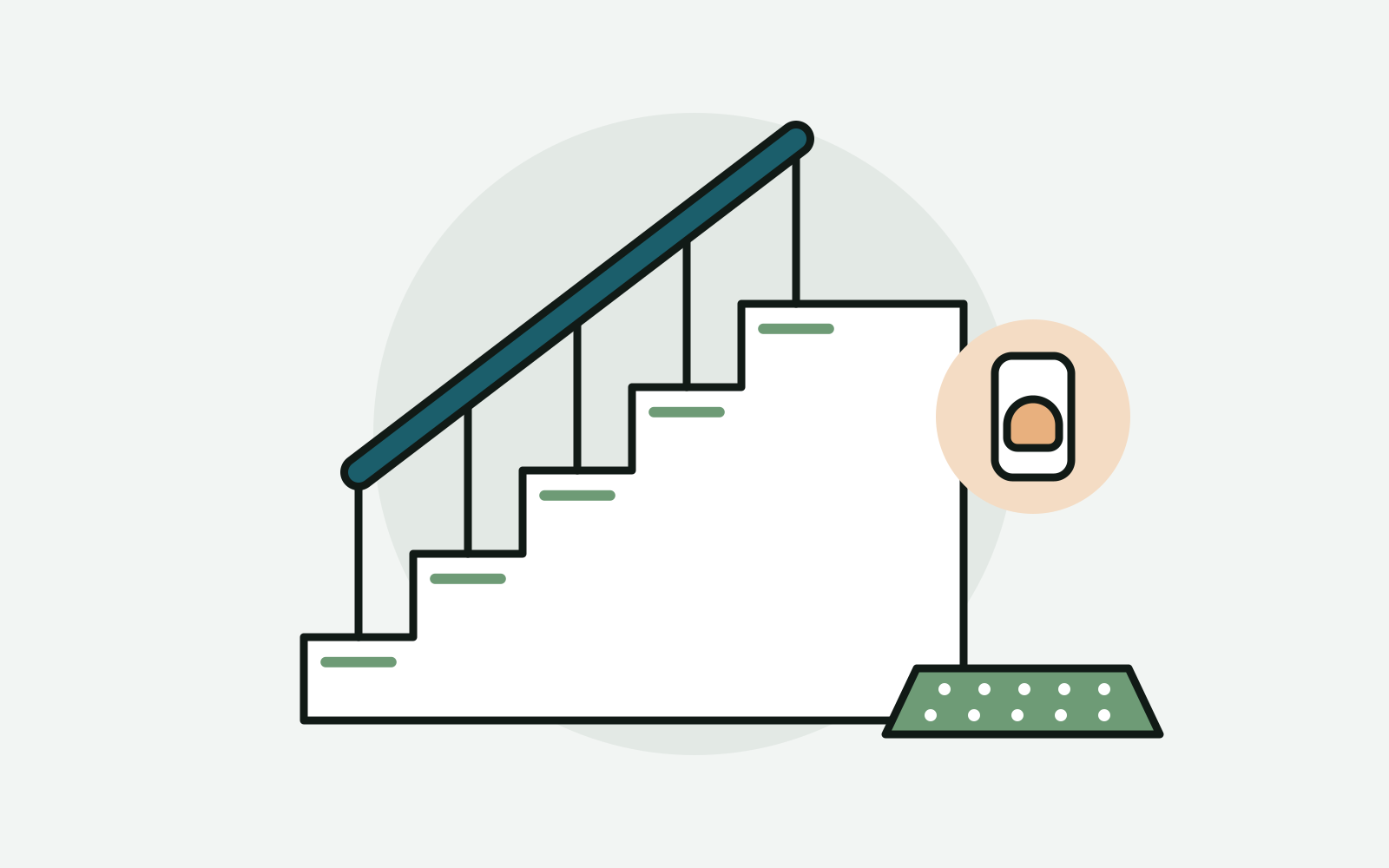
- Secure handrails on both sides of any stairs
- Good lighting, with switches at the top and bottom of stairs and at each end of long halls
- Motion-activated plug-in lights along stairs and paths
- Nothing left on floors or stairs: books, papers, clothes, shoes
- Carpets fixed firmly, and no-slip strips on tile and wood
- No throw rugs or small area rugs
Bathroom
- Grab bars near the toilet, and inside and outside the tub and shower
- Nonskid mats or strips on any surface that may get wet
- A light left on at night, or a night light that comes on by itself
Bedroom
- Night lights and a light switch close to the bed
- A flashlight by the bed in case the power goes out
- A landline or charged phone within reach of the bed
Kitchen
- Everyday pots, pans and utensils within easy reach
- Spills cleaned up right away
- A seat for preparing food, to avoid tiring or losing balance
Living areas
- Electrical cords by the walls and away from walking paths
- Furniture, especially low coffee tables, out of the way
- Sofas and chairs at a height that’s easy to get in and out of
- A “reach stick” instead of standing on a chair or table
- Pets: know where they are when you’re walking
- Emergency numbers in large print by the phone and saved as favorites on a mobile
Outside
- Front steps that aren’t broken or uneven
- Non-slip material on outdoor stairs
- Lawn, deck and porch clear of debris such as fallen branches
- A grab bar by the front door for balance while using the lock
- The porch light on at night, and when they’ll be back after dark
- Ice melt or sand on walkways in winter
If your parent has already fallen, the NIA says their doctor might suggest that an occupational therapist, physical therapist or nurse visit the home to assess it and advise on changes. Many state and local governments also run education or home modification programs: check with the local health department, search the Eldercare Locator, or call 800-677-1116 to find your Area Agency on Aging.
Beyond the house
The house is only part of it. Most of the time, the NIA says, falls don’t just happen for no reason. A few things worth bringing up with your parent and their doctor:
- Tell the doctor about any fall, even one that didn’t hurt. It can point to a new medical problem, or to an issue with medicines or eyesight that can be corrected.
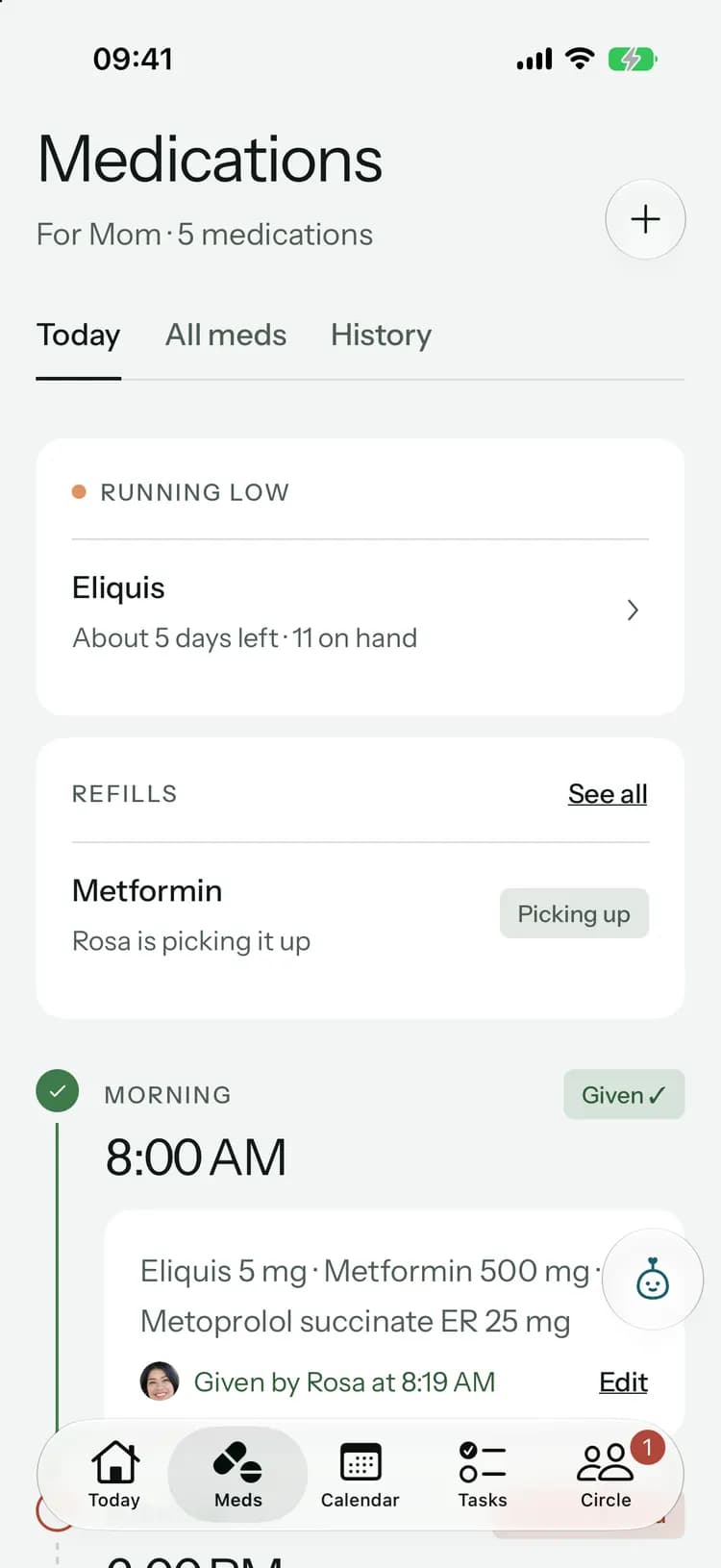
- Ask about medicines. Some can cause dizziness or confusion, and the more someone takes, the more likely a fall becomes. If a medicine makes your parent sleepy or dizzy, tell the doctor or pharmacist.
- Check eyes and hearing. Even small changes are linked to more falls. New glasses take time to get used to, and a hearing aid should fit well and be worn.
- Keep moving. Regular exercise builds strength, and yoga, Pilates and tai chi can improve balance. Ask the doctor what suits your parent.
- Stand up slowly. Getting up too quickly can make blood pressure drop and leave someone feeling wobbly.
- Look at the shoes. Nonskid, rubber-soled, low-heeled shoes are best. Socks and smooth-soled slippers aren’t for stairs or floors.
- Check the walking aid. A cane or walker has to be the right size, and a borrowed one should be checked by a health care provider. A physical or occupational therapist can teach safe use.
- Keep hands free. A shoulder bag or backpack leaves a hand for the railing.
If a fall happens
It’s worth talking this through before it happens, when nobody is frightened. The NIA’s advice for someone who has fallen is, in short:
- Breathe, and stay still for a few moments to get over the shock.
- Decide whether you’re hurt. Getting up too quickly or the wrong way could make an injury worse.
- If you can get up safely, roll onto your side, rest, then get slowly onto your hands and knees and crawl to a sturdy chair.
- Put your hands on the seat, slide one foot forward so it’s flat on the floor, then slowly rise and turn to sit.
- If you’re hurt or can’t get up, ask someone for help or call 911 or your local emergency number. If you’re alone, get into a comfortable position and wait for help.
To make that last step possible, the NIA suggests keeping a charged phone close at all times and arranging daily contact with a family member or friend. An emergency response system with a button on a necklace or bracelet is another option, though there’s a fee and insurance usually doesn’t cover it, and some smartwatches can call for help too. These systems have to be set up correctly, worn and charged, and the NIA is clear that they can’t replace regular check-ins.