The call often comes with little notice: your mother can go home tomorrow. It’s good news, and it also means a lot has to happen quickly. Someone needs to understand the instructions, collect the prescriptions, look at the stairs and fill the fridge, often while still working out what happened in the first place.
A discharge plan exists to make that easier. MedlinePlus, from the U.S. National Library of Medicine, says the plan can help your parent get the right care after leaving and prevent a return trip to the hospital. Here’s how to use it, from the last day in the hospital to the first week at home.
Before you leave: get the plan
A social worker, nurse, doctor or other provider will work on the plan with you, and can help decide whether your parent should go home or to another facility, such as a nursing home or rehab center. If a facility is the answer, the hospital will have a list of local ones. Find out who that person is as early as you can, and ask to be there when the instructions are explained. MedlinePlus says caregivers should read and understand them too.
According to MedlinePlus, the plan should include:
- Your parent’s medical problems, including any allergies
- All their medicines and how and when to take them, with anything new, stopped or changed highlighted
- How and when to change bandages and dressings
- Dates and times of appointments, with the names and phone numbers of the providers
- Who to call with questions, with problems, or in an emergency
- What they can and can’t eat, and whether they need special foods
- How active they can be, including whether they can climb stairs and carry things
Ask about help and equipment as well. Will your parent need help with bathing and dressing, with cooking and laundry, or with getting to appointments? Will they need a walker or cane, a shower chair, a portable toilet, a hospital bed, or supplies such as dressings? And if anything on the plan doesn’t make sense, ask before you leave the building. It’s much easier than finding the right person by phone later.
Sort out the medicines first
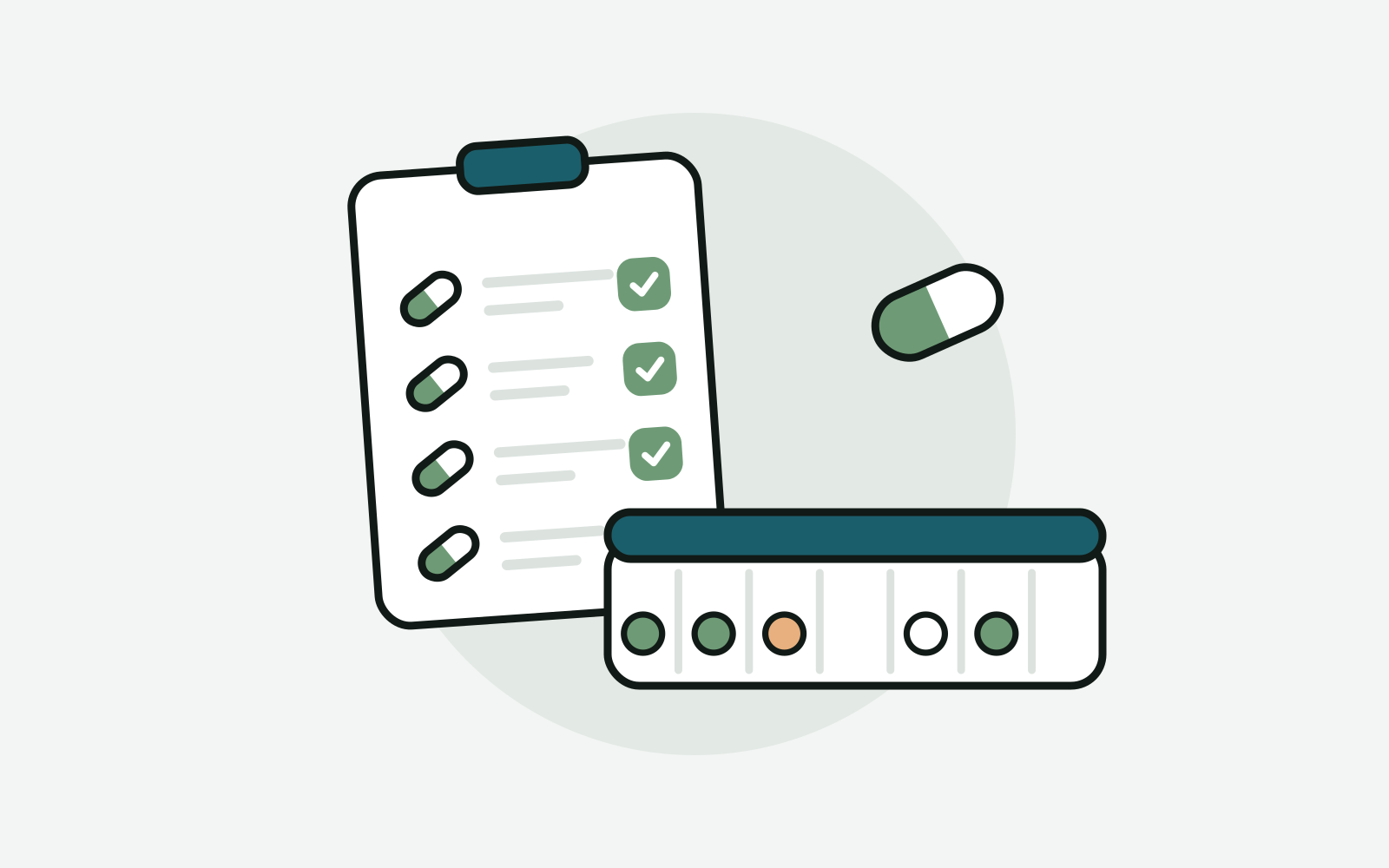
The list from the hospital may not match what’s in the cabinet at home, which is why MedlinePlus says to have new, stopped and changed medicines highlighted. Go through it before the first dose at home.
- Compare the lists. Put the discharge list next to the bottles at home and your parent’s usual medication list. Mark anything new, anything stopped and anything with a different dose.
- Ask about anything that doesn’t match. Don’t guess. The pharmacist or the contact on the discharge plan can tell you what’s right.
- Set aside what’s been stopped. Keep those bottles apart from the rest so nobody takes them out of habit, and ask the pharmacist what to do with them.
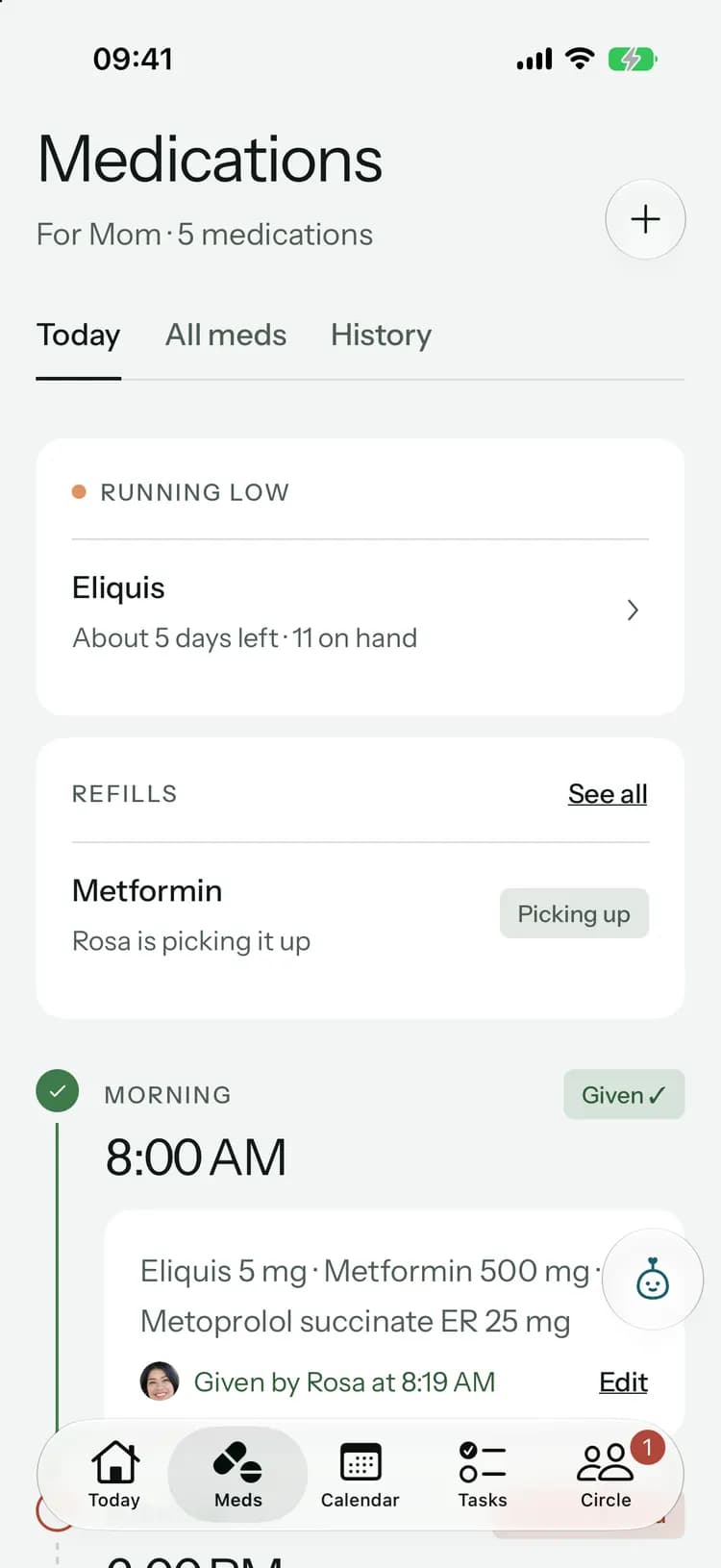
- Keep one record of what’s been given. With more than one person helping, a shared log stops a dose being missed or doubled.
The FDA recommends keeping an up-to-date list and bringing it to appointments. Our guide to a medication list and a shared dose log covers what to put in both.
Get the house ready
Before the day itself, walk through the home with the plan in hand. If stairs are off limits for now, where will your parent sleep? Is the way to the bathroom clear and lit at night? Is there food they’re allowed to eat, and is the equipment there or on its way?
If your parent still needs nursing care at home for a short time, the NIA says the hospital can help arrange a home health aide. These services can cover medications, wound care, medical equipment and physical therapy, and they charge by the hour. Medicare’s coverage is limited: the services must be short-term and come from a Medicare-certified agency. Medicaid benefits vary by state, and most private plans don’t pay, so ask what your parent will owe before you agree.
It’s also a good moment for quick safety changes: rugs, night lights, a phone by the bed. Our room-by-room fall check lists them. To look for local programs, MedlinePlus points to the Eldercare Locator (800-677-1116).
Share out the first days
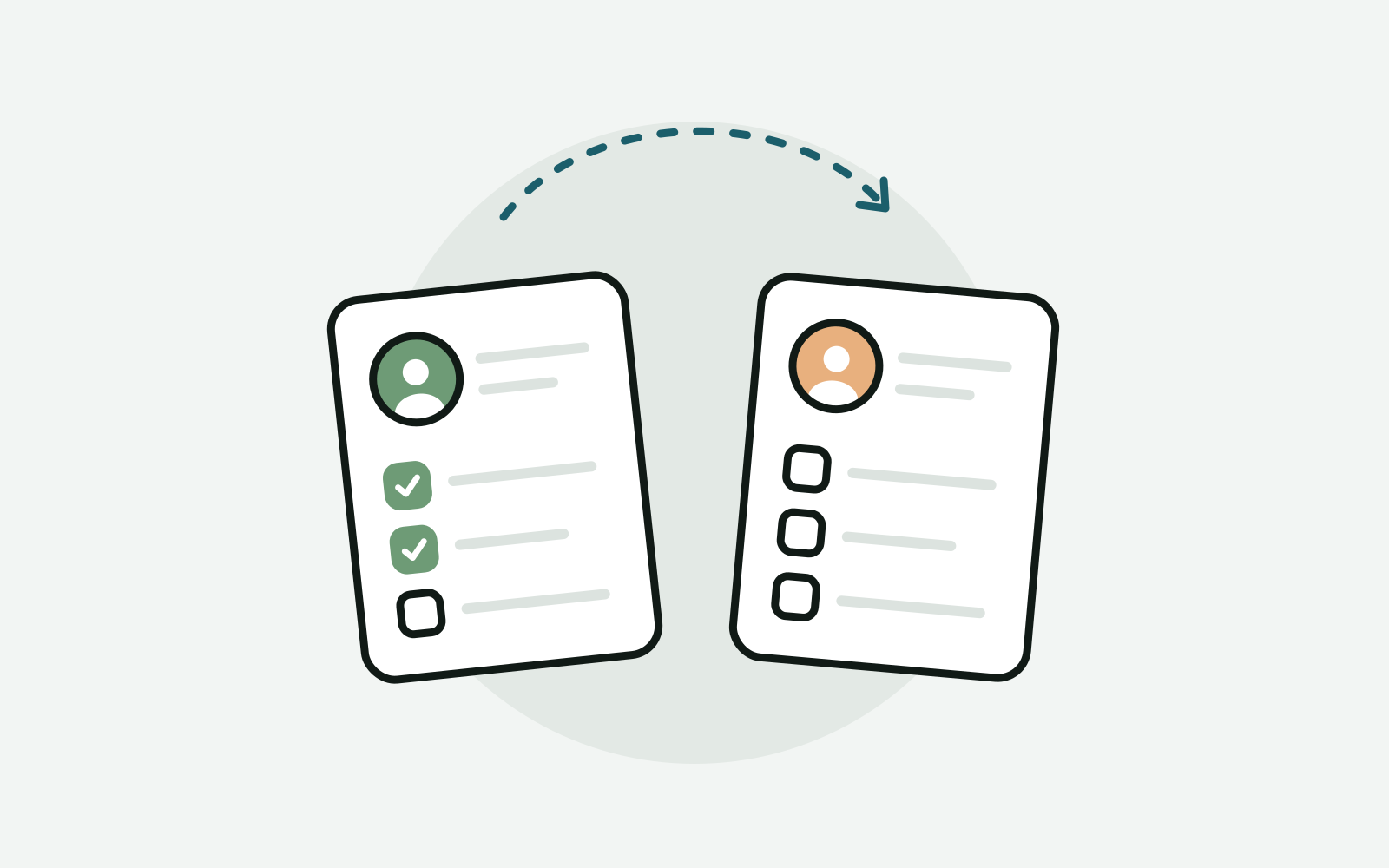
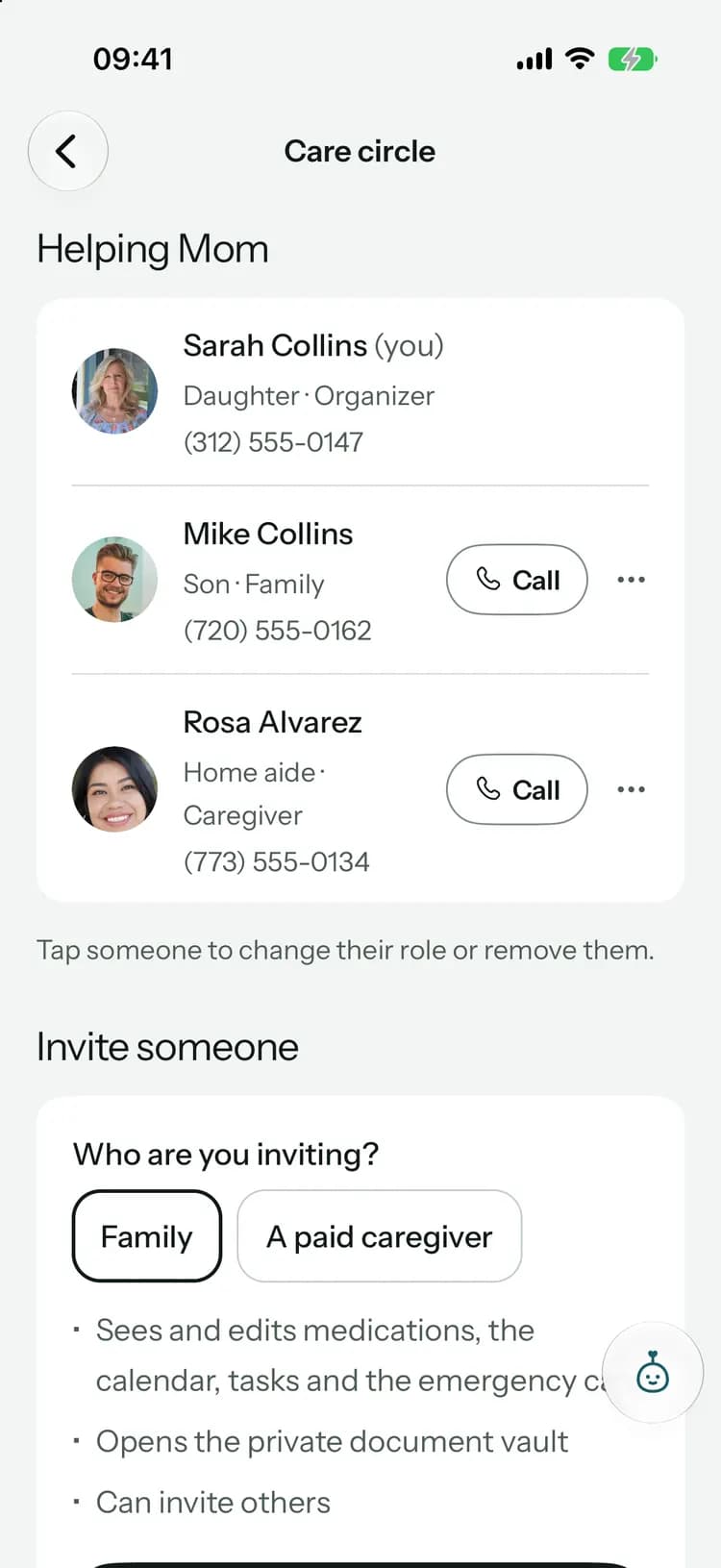
The first week at home is a lot for one person. Write the jobs down before your parent comes home and put a name on each, so nobody finds out on Thursday that everyone assumed someone else had the pharmacy.
| Job | Who | When |
|---|---|---|
| Drive home, collect prescriptions | Vera | Discharge day |
| Stay overnight | Vera, then Tom | First four nights |
| Give medicines and record them | Whoever is staying | As the plan says |
| Change the dressing | Visiting nurse | As the plan says |
| Book and drive to the follow-up | Tom | By the date on the plan |
| Groceries that fit the diet | Neighbor, Vera | Twice a week |
| Tell the family how the day went | Whoever is on that day | Each evening |
Know who to call, and when
Before you leave, ask the team three things: what would be a reason to call them, what would be a reason to call emergency services, and who answers at night and on weekends? Every person and condition is different, so the answers should come from them, not from a general list. Write them on one page with the phone numbers, and keep it where anyone staying in the house can see it.
Take the discharge papers and the updated medicine list to the first follow-up. Our guide to preparing for an appointment can help you make the most of it, and our handover checklist helps when the person on duty changes.
A checklist for going home
From the hospital to the first week
Before discharge
- Find out who is writing the discharge plan
- Go through the instructions with them and ask your questions
- Get new, stopped and changed medicines highlighted
- Get names and phone numbers for every follow-up
- Ask what would be a reason to call, and who answers at night
- Ask about equipment, supplies and help at home
- Find out what your parent can eat and how active they can be
Before they get home
- Compare the discharge list with the medicines at home
- Pick up new prescriptions and set aside stopped medicines
- Clear and light the way to the bed and the bathroom
- Make sure equipment has arrived and food fits the plan
- Write down who does what, with a name on each job
The first week
- Record each dose in one shared place
- Keep the page of phone numbers where everyone can see it
- Share a short note about how each day went
- Take the papers and medicine list to the follow-up
- Look at the plan again at the end of the week